El martes pasado tuve uno de esos momentos extraños. Estaba preparando café y la luz de la mañana incidió justo en la taza: esa taza de cerámica barata que tenía desde hacía años de repente mostró un tenue brillo iridiscente, casi aceitoso, en el esmalte. Me quedé mirándola fijamente durante un minuto entero, inclinándola de un lado a otro como un tonto. Resulta que esa taza, la que me regalaron en una conferencia hace años, tenía pigmento nacarado en el esmalte. Simplemente nunca me había dado cuenta.
Eso me hizo reflexionar. Al empezar a investigar, me di cuenta de que los pigmentos nacarados están por todas partes. No solo en lugares obvios como la pintura de los coches o las sombras de ojos, sino también en cosas que jamás sospecharías. Estamos rodeados de ellos y la mayoría de la gente no tiene ni idea.
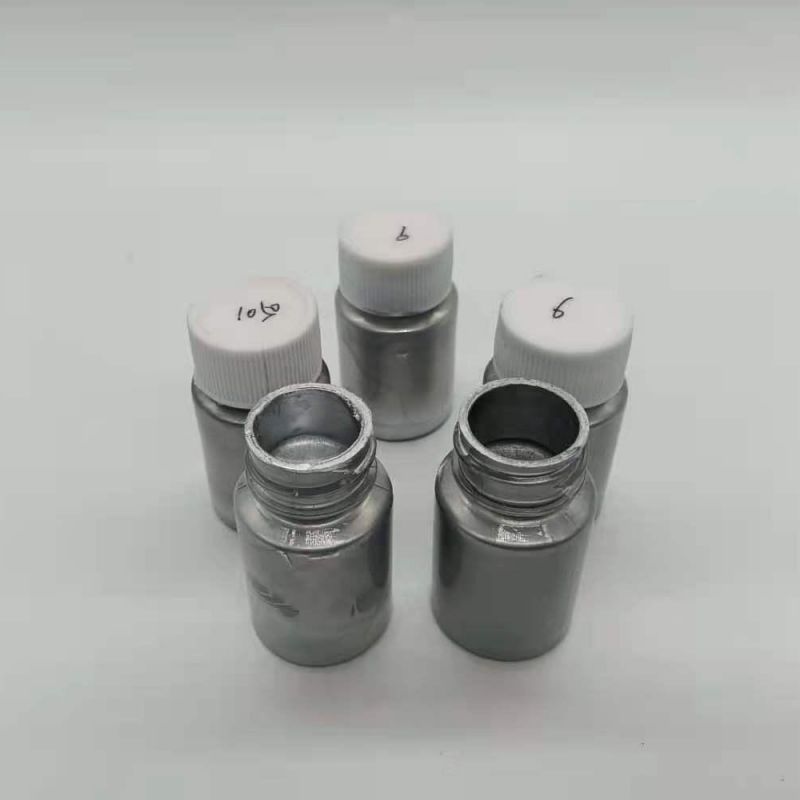
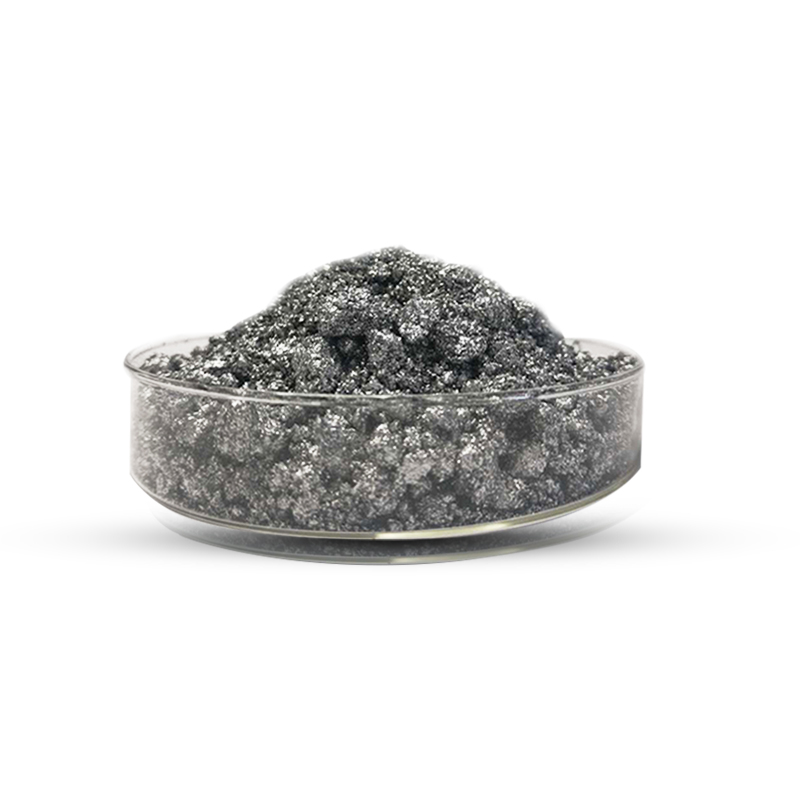
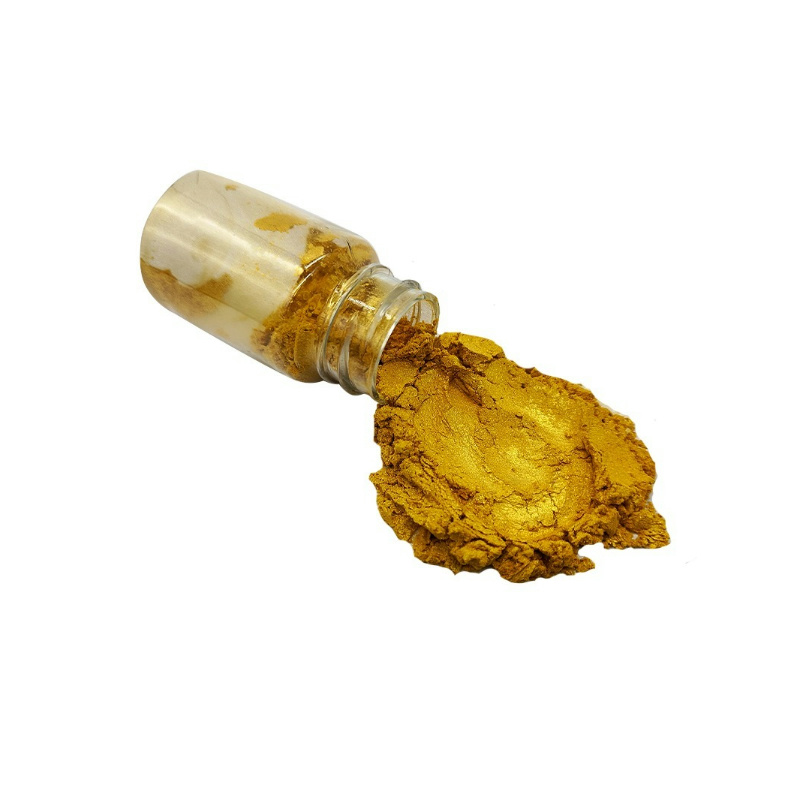
Ya expliqué con más detalle el aspecto técnico en otra publicación donde comparaba la pasta de aluminio con los pigmentos nacarados, así que no lo repetiré aquí. En resumen: los pigmentos nacarados son partículas diminutas —tradicionalmente escamas de mica recubiertas con óxidos metálicos como el dióxido de titanio— que crean color mediante la interferencia de la luz, en lugar de la absorción. Imagínese una burbuja de jabón, una mancha de aceite o el interior de una concha de ostra. El color cambia según el ángulo de visión porque la luz rebota entre capas microscópicas.
La naturaleza lleva usando este truco desde siempre. Las perlas están formadas por capas alternas de carbonato de calcio y proteína, y de ahí sacaron la idea los científicos. Ahora hemos adoptado ese concepto y lo hemos aplicado a prácticamente todo.
Los armarios y encimeras de tu cocina.Las superficies laminadas y las encimeras de superficie sólida suelen contener pigmentos nacarados que les aportan esa sutil profundidad que las hace parecer más caras de lo que realmente son. La próxima vez que estés en la cocina, observa las encimeras bajo diferentes luces. Si ves un ligero brillo que se mueve al pasar, es el pigmento nacarado haciendo su trabajo. Los fabricantes lo añaden a la resina durante la producción, transformando una superficie plana y sin vida en algo con textura visual.
Esa bolsa de la compra brillante que guardaste porque era demasiado bonita como para tirarla.Los envases de alta gama están repletos de acabados nacarados. Cajas de regalo, bolsas de compra, envases de cosméticos: el sutil brillo indica "premium" incluso antes de leer la etiqueta. Los pigmentos con efecto nacarado se mezclan directamente con las tintas y recubrimientos de impresión, y luego se aplican mediante impresión offset, huecograbado o serigrafía. He conservado bolsas de regalo durante años simplemente porque su acabado me llamó la atención, y apuesto a que a ti también.
El tablero de instrumentos de tu coche.No nos referimos a la pintura exterior, sino al panel del salpicadero. Los plásticos del interior de los automóviles utilizan pigmentos nacarados para añadir un toque de distinción a piezas moldeadas que, de otro modo, serían comunes. Se encuentran en el volante, los paneles de las puertas y la consola central. Esto se enmarca en una tendencia más amplia: como detalló Global Tuocai en su análisis de materias primas para pinturas automotrices de 2026, la industria ha ido mucho más allá de los recubrimientos exteriores. Los pigmentos nacarados se especifican cada vez más para componentes interiores, donde los diseñadores buscan un brillo suave y sofisticado en lugar del brillo intenso de los acabados metálicos.
Tu pasta de dientes.Hablo en serio. Algunas pastas dentales blanqueadoras utilizan agentes nacarados sutiles para crear una impresión visual de "brillo" y "limpieza". El mismo principio se aplica a ciertos jabones, geles de ducha y champús. Es puramente estético —el brillo no limpia mejor los dientes—, pero influye en cómo percibimos el producto. Los pigmentos nacarados de grado cosmético que se utilizan en estas aplicaciones se someten a pruebas de seguridad y pureza más rigurosas, y el mercado de pigmentos con efecto nacarado para el cuidado personal ha crecido de forma constante.
La planta artificial de tu sala de estar.El follaje artificial, las ramas decorativas y las flores de seda suelen rociarse con un recubrimiento que incluye pigmento nacarado para dar a los pétalos y las hojas un brillo sutil y natural. Sin él, las plantas artificiales se ven muertas y de plástico. Con el acabado nacarado adecuado, parecen recién cortadas.
Revestimientos de suelo y pared de vinilo.Los azulejos de vinilo de lujo —aquellos que imitan a la perfección la madera o la piedra— suelen incorporar pigmentos con efecto perlado en la capa de desgaste o en la película decorativa. Esto les confiere una profundidad que hace que el diseño parezca "veta de madera real" en lugar de "imagen impresa de veta de madera". Lo mismo ocurre con el papel pintado de alta gama. El brillo es tan sutil que no lo percibimos conscientemente, pero nuestro cerebro lo interpreta como una sensación de riqueza material.
Dos cosas sucedieron. Primero, los costos de fabricación disminuyeron. Los pigmentos nacarados solían ser realmente caros, reservados para automóviles de lujo y cosméticos de alta gama. Pero la extracción de mica se expandió significativamente y las alternativas sintéticas de mica maduraron, lo que redujo los precios lo suficiente como para que los pigmentos fueran viables en productos de gama media. Cuando algo deja de ser exclusivamente de "lujo" y se convierte en "premium accesible", las marcas de todos los sectores lo adoptan para diferenciar sus productos.
En segundo lugar, los sistemas de recubrimiento a base de agua y con bajo contenido de COV han mejorado drásticamente. Los primeros pigmentos nacarados no se dispersaban bien en formulaciones a base de agua, lo que impedía su uso en los recubrimientos ecológicos que exigen cada vez más los organismos reguladores y los consumidores. Este problema se ha solucionado en gran medida. Los modernos pigmentos nacarados con tratamiento superficial se integran perfectamente en sistemas a base de agua, lo que ha abierto la puerta a su uso en pinturas arquitectónicas, acabados de interiores y aplicaciones de embalaje que antes habrían evitado los recubrimientos a base de solventes.
Un estudio de 2026 publicado en Materials Letters (ScienceDirect) describió un hallazgo fascinante: investigadores han sintetizado un pigmento nacarado azul oscuro sin sustrato utilizando cintas de dióxido de vanadio. La importancia radica en que eliminaron por completo la base de mica. Los pigmentos nacarados tradicionales requieren un sustrato —generalmente mica— como base para las capas de óxido metálico que interfieren con la luz. Eliminar el sustrato podría reducir los costos de producción y abrir un abanico de nuevas posibilidades cromáticas inalcanzables con los pigmentos convencionales a base de mica.
Esto es importante porque nos da una idea de hacia dónde se dirige la industria. Cuando la producción de pigmentos sea más económica y no dependa de la mica extraída de minas (lo que plantea sus propios problemas éticos en la cadena de suministro), se utilizarán en aún más productos. La próxima generación de pigmentos nacarados probablemente se incorporará a productos que aún no podemos imaginar.
Desde aquella mañana del martes con la taza de café, no he dejado de notar efectos nacarados. El frasco de champú en la repisa de la ducha. El acabado brillante de la cubierta de un cuaderno. El brillo en el revestimiento de vinilo de mi vecino al que nunca antes le había prestado atención.
Resulta extraño pensar en toda una categoría de materiales con los que la mayoría de la gente se topa decenas de veces al día sin siquiera saber que tienen un nombre. Pero eso es precisamente lo que es el pigmento nacarado: completamente invisible en su omnipresencia, que hace que los objetos cotidianos parezcan un poco más especiales.
Referencias
Tuocai global. "Imprescindible para usuarios y fabricantes de pinturas para automóviles: Análisis exhaustivo de los tipos de pintura y las materias primas principales (pasta de plata de aluminio/polvo nacarado)." 2026.
Tuocai global. "Aplicación de pasta de aluminio y polvo nacarado en la industria de masterbatches." 2025.
ScienceDirect (Materials Letters).Síntesis de un nuevo pigmento nacarado azul oscuro sin sustrato basado en VO₂(B) con estructura de cinta." 2026.



 Red IPv6 compatible